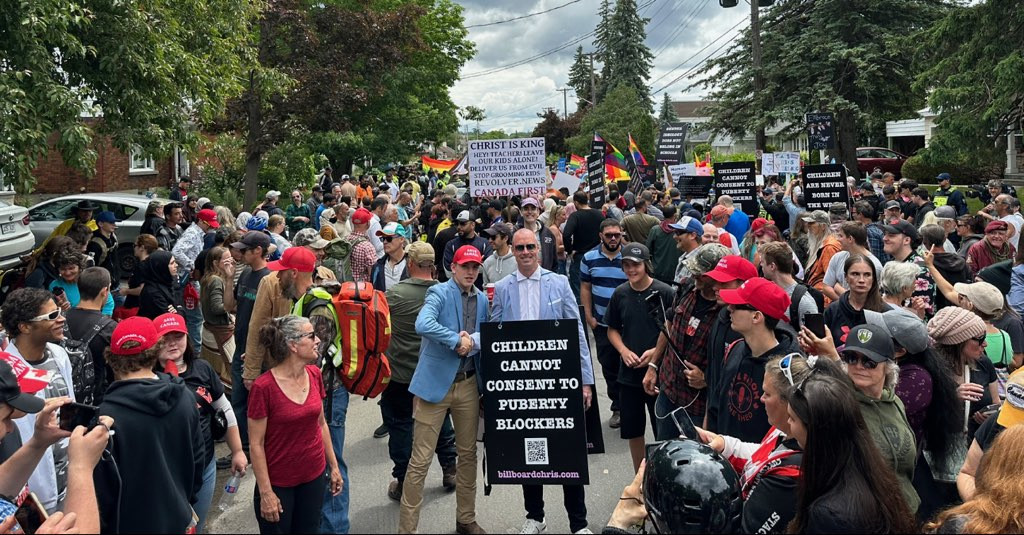
Labour in the UK and Democrats in the US have embraced the anti-trans panic manufactured by their opponents to get votes. It won’t work.
I referenced this in a previous post, but one of my observations after years of transphobic harassment is how they’re always parroting someone else. The words are never their own.
At some point in my life I became a glass half-empty kind of person.
It’s easy to come up with reasons: a 40% pay cut in 2025; increased transphobia; the loss of parenthood – never to see a child’s first steps, day at school, laughs; indenture to landlords due to astronomical housing costs; etc.
But to be truthful, my outlook predates all of these developments.
Comparison is the thief of joy
This pessimism is inextricable from another trait of mine, which is an unhappiness with my circumstances that I delude myself into believing can be resolved by buying this or doing that.
Moving back downtown, buying a Jeep, going solo backcountry camping, traveling to this destination or that, etc. I’ve done these things and they have brought me joy and satisfaction but never resolved the underlying malaise.
Instead I pivot to the next thing. A social media post might prompt this goal post shift, comparison is the thief of joy, but it would have happened regardless.
Dreams versus reality
I could say that my insecurity is down to believing I wasn’t good enough growing up or fearing life slipping me by now. But these would miss a more important point, which is that these all have to do with dreams I have for my life.
The thing about dreams is that they are ill-defined fantasies and their lustre ebbs away upon scrutiny. Take wanting to be a parent and these precious moments I long for. The dream omits the meat and potatoes of being a single parent as I would have been. What the day-to-day looks like; the financial stress; the exhaustion; the lack of support. I still wanted that but thinking about it with this specificity recontextualizes my life as it is now.
Similar with home ownership; I’d be facing increasing rates and dealing with property taxes and maintenance woes right now. As imposing as my rents are, I am free of these crushing financial burdens. There are genuine upsides to my current situation that I didn’t allow myself to enjoy because of my fixation on the negatives.
Thinking things through makes me appreciate the doors open to myself. I recently spoke of my fantastic summer and much of it was only possible because of my circumstances.
Going forward
I wanted to share this processing I’ve been doing. I was sitting on my couch the other day asking myself why couldn’t I appreciate this living room that I know past me would have been envious of? I have these books and wall art and a big television with a big sound bar and why couldn’t I be happy?
I kept thinking and realized I’d been lost in my dreams. Dreams are good but not to maintain a prison of perpetual dissatisfaction as I had been doing.
Going forward, if I catch myself doing that again, I’ll think about the specifics of this life I longed for. Not to dissuade me from dreaming, but to keep sight of the present and the good that is to be had here.
This year I decided that my discretionary spending would go towards hobbies instead of travel. I dipped into my savings and bought myself a new kayak and the necessities to start a new hobby: firearms.
On the water
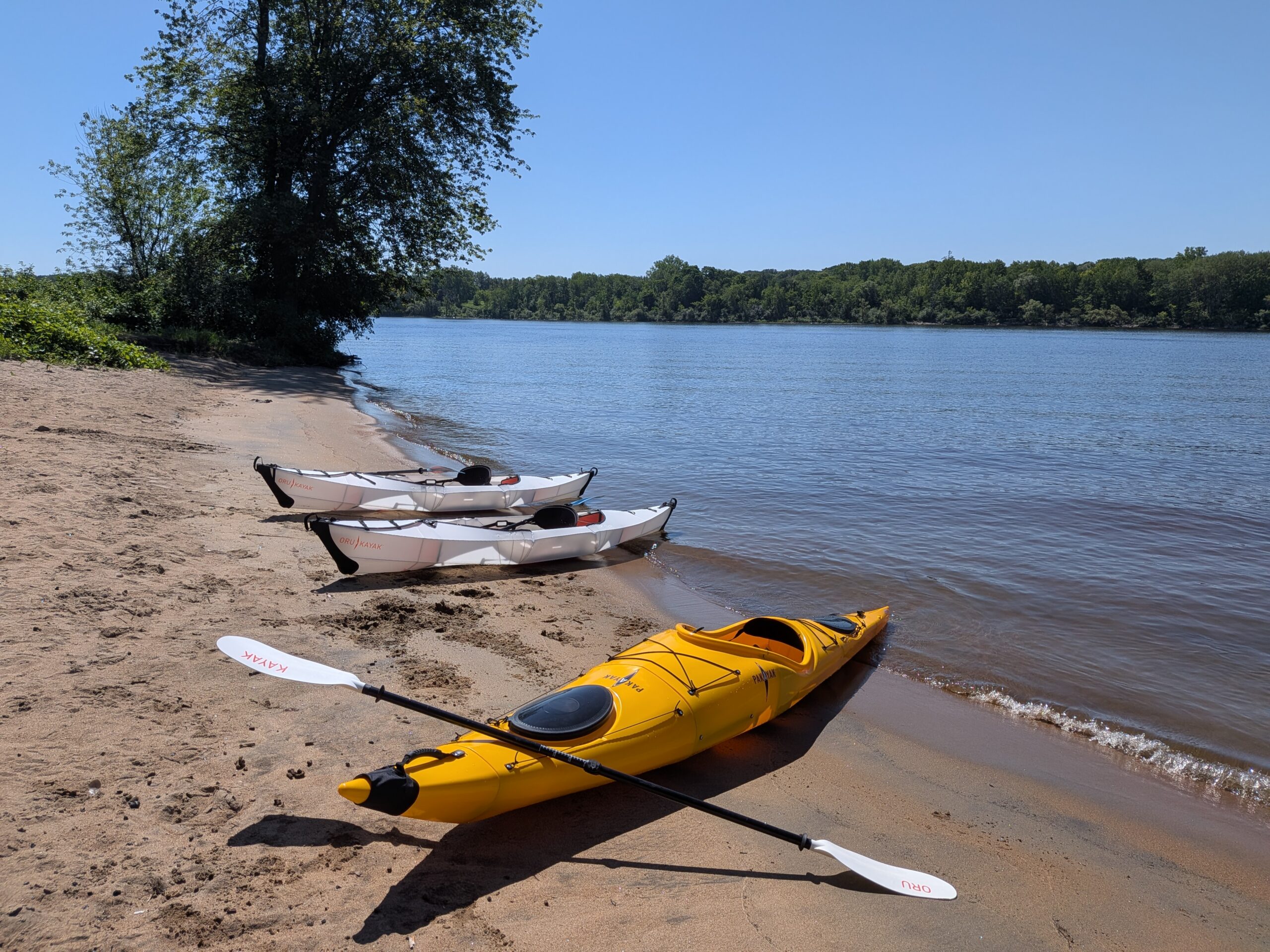
After five years with my inflatable kayak, I decided it was time to upgrade. I loved my Kokopelli Moki-Lite, but it took days to dry as water would hide in the crevices and storing it unfolded, as recommended, took too much space.
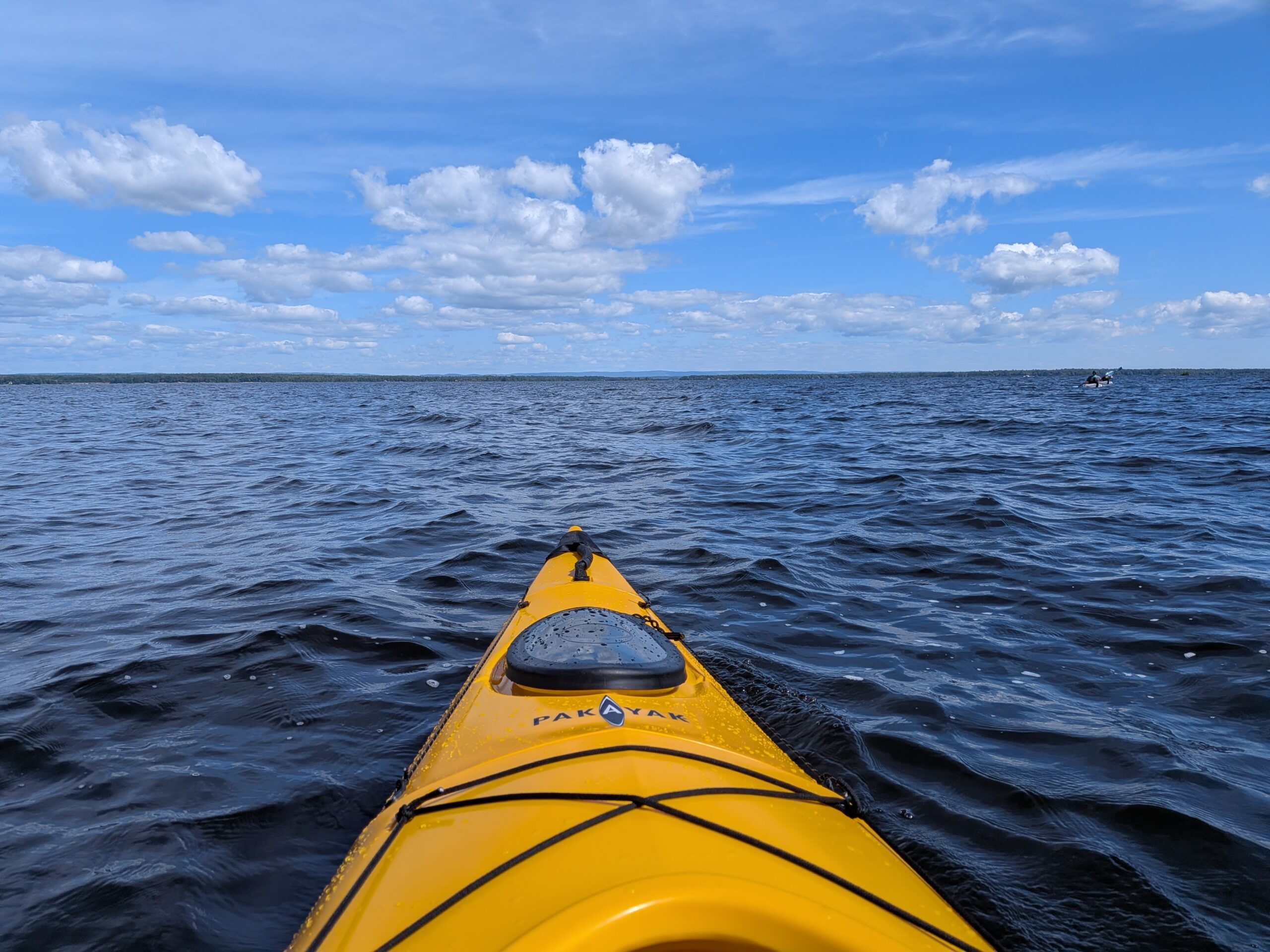
I replaced it with a Pakayak Bluefin 142, a hard-shelled matryoshka doll style portable kayak. The set-up is quick and it barely takes up any room to store. It’s been great on the Ottawa River.
After sixteen years of talking to everyday people who participate in organized bigotry – from tea party rallies to the convoy to anti-trans marches – I’ve learned one thing: they don’t believe what they’re saying.
They think they do but here’s the test:
Would they have believed that in isolation
Can they defend it using their own words
Will they ditch it on a whim
And to the media and politicians that loves to platform them but a single test:
Do they omit that individual’s other wild conspiracy theories
The gist of this article is that I believe that the United States is not only trying to annex Canada, but that it has partially succeeded.
Americans choose dictatorship
Come the 2024 US election, it was already well-known that Donald Trump aspired to be a dictator. Americans voted the serial rapist and convicted fraudster in power anyways. For reasons that will fill future history books, the majority were okay with his failed coup, his pronouncement that he would just be a dictator on “day one“, his deference to despots Putin and Kim Jong Un, and his call to end free and fair elections.
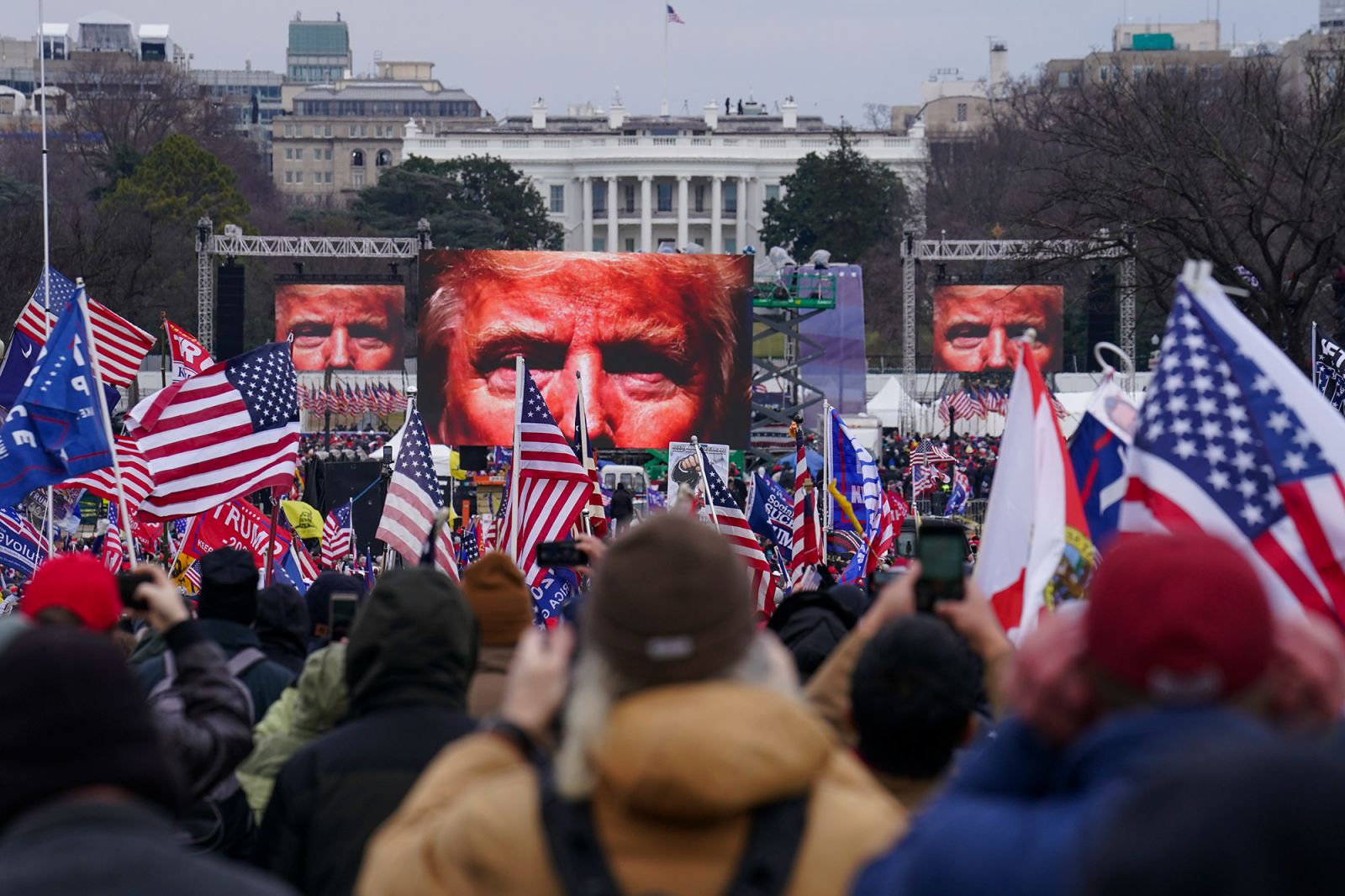
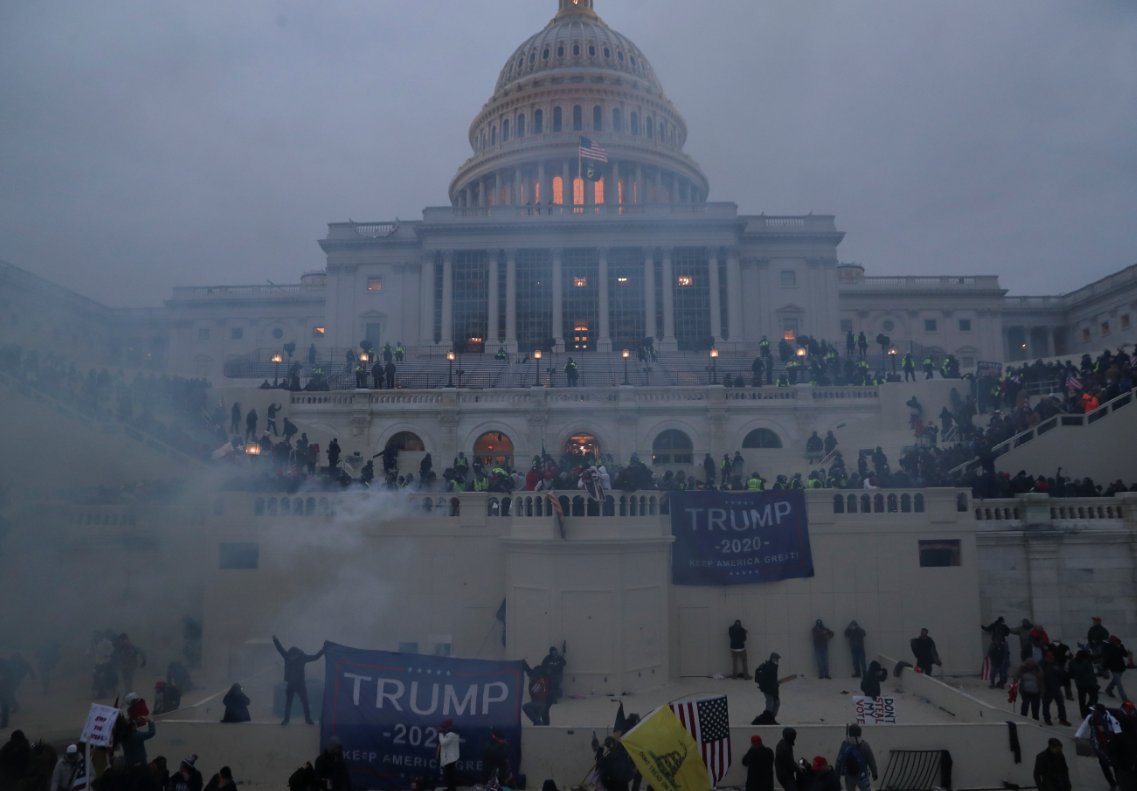
Scenes from Trump’s failed coup on January 6th, 2021.
What was less clear at the time was that he would seek to end Canada’s democracy too.
Republicans implement dictatorship
As soon as Trump took office, Republicans started implementing the dictatorship.
The Congress and Supreme Court relinquished all their power to Trump, ending the system of checks and balances.
Then the administration took over government agencies by replacing qualified public servants with the dictator’s most shameless sycophants.
Trump’s disdain for journalistic freedom had been well-documented for years.
The dismantling of the free press enabled the regime’s ethnic cleansing campaign. Immigrants got the worst of it as the dictatorship incited hate with shameless lies including that they were eating people’s pets. They opened a network of concentration camps and began to fill them, while the secret police killed observers. To prevent justice, they began a campaign to destroy the International Criminal Court including sanctioning a Canadian judge.
Also in the crosshairs were trans people. The regime’s and state Republicans’ relentless attacks against them resulted in 400,000 internally displaced refugees.
To oppress potential opposition, the dictatorship also deployed the military to occupy cities that were deemed to have voted for Republicans in insufficient numbers.
Finally, like all dictators, Trump has made it clear he won’t leave after his term is up. And why would he when he’s been able to wield the presidency to enrich himself to the tune of billions of dollars.
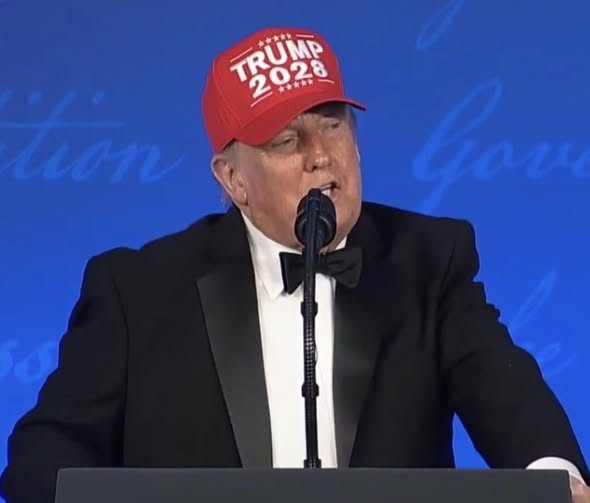
Trump wearing a “Trump 2028” hat.
The dictatorship targets Canada
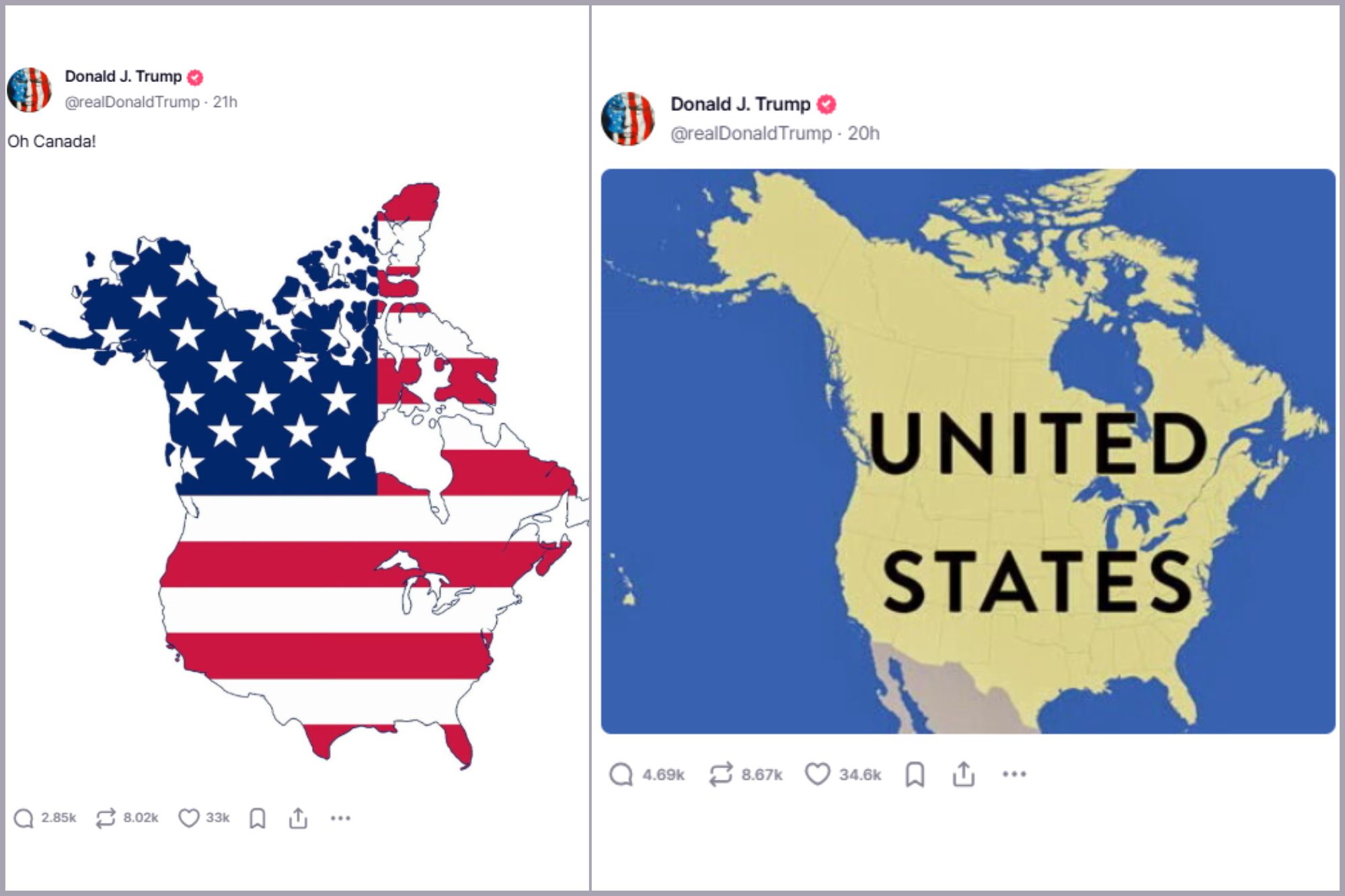
The first real signs of the regime’s desire to annex Canada came during a meeting between Justin Trudeau and the soon-to-be dictator at the latter’s Mar-A-Lago palace in December 2024. There Trump suggested Canada should be a US state.
Canadian officials, waiting for sanity to return, passed the threats off as a joke. What they didn’t realize then was that the regime had purged the voices of reason.
For the next year and a half, the regime and the US ambassador to Canada would continue to openly communicate its intent to conquer Canada.
The dictatorship attacked Canada’s sovereignty other ways too. Framed as negotiations to end the American tariffs, the regime demanded the removal of some laws in Canada that had been beneficial to Canadians. Prime Minister Carney obliged. Then they demanded Canada surrender its trade with other countries to the US. Here, Carney did not acquiesce.
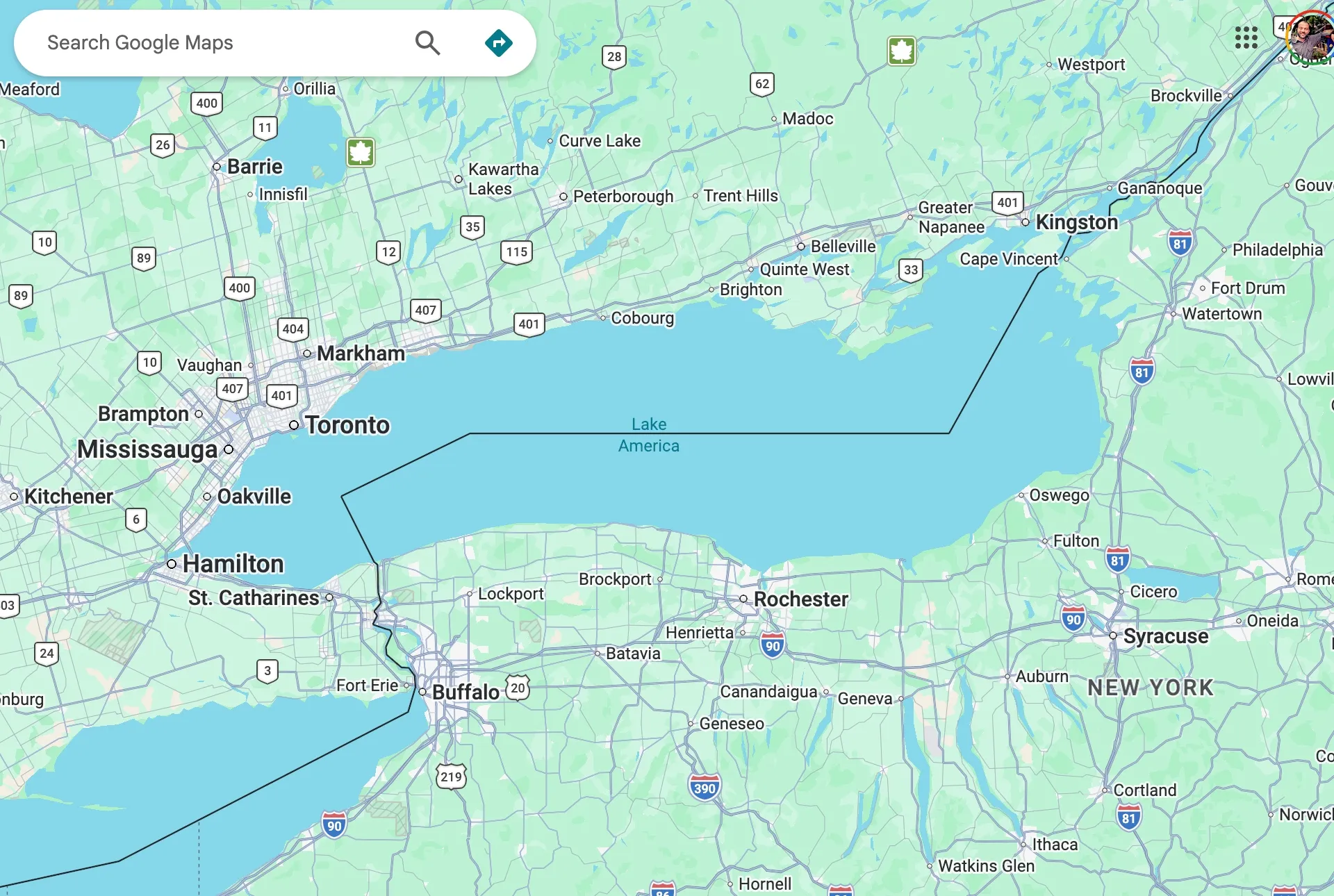
America also found novel ways to take bits of Canada. The regime renamed Lake Ontario to Lake America. American companies were happy to assist just as they had been with helping end freedom of the press.
Google has renamed Lake Ontario to Lake America for users in the United States.
It will get worse
What’s stands out to me is that there is no meaningful opposition to this in the United States. Oh sure some Democrats feign indignation on television or on Twitter, but then that’s it. They don’t offer any actual resistance.
I don’t think they recognize that they’re in the early stages of a dictatorship. I think they assume it would feel different if they were. They don’t appreciate how dictatorships work their way from outsiders in. How the changes happen little by little.
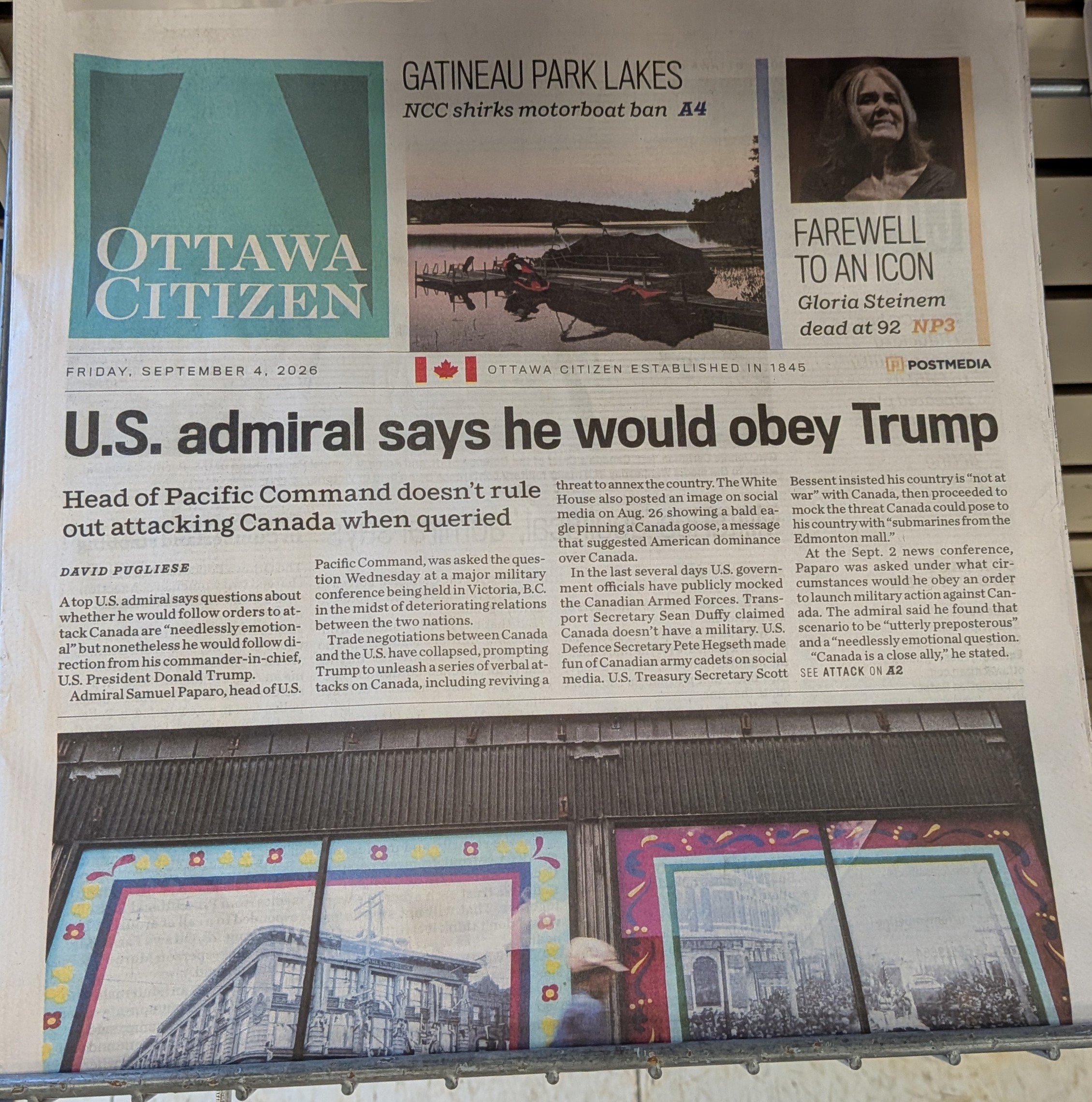
Front page of the September 4th, 2026 Ottawa Citizen concerns a potential US attack on Canada.
I think this denialism is also a problem in Canada too. I hear this refrain of waiting it out until the next election and I think that is a gamble. There is a risk that this moment where these parties feel most powerless ends up being the time when they had the most. They’re assuming that the next election will be free and fair while Republicans openly engage in voter suppression.
The regime abetted by its political, media, and billionaire backers will only get more bold. They’ve already succeeded in taking a little bit of Canada for itself and they will not stop until they get it all.
The least we can do is acknowledge the reality of our predicament.