It was pretty tumultuous. I ended up dropping my two math classes this semester, and I’ll try to do at least one of them over the summer. I don’t know what will happen to me next year, whether I’ll continue or not. But dropping everything to go back this year is something I’ll never regret.
There was lots of work, good profs, bad profs, a Sigur Ros concert, good times with the boyfriend, lots of baking, a new person in my life and deeper relationships with others, much self-discovery, and button-making sessions where I got to be creative:
I still have a physics assignment, two finals, and a week-long trip to North Carolina followed by a final project for my field studies class. I’ll keep my work schedule as-is so that I can concentrate on studying, which I very much need to do.
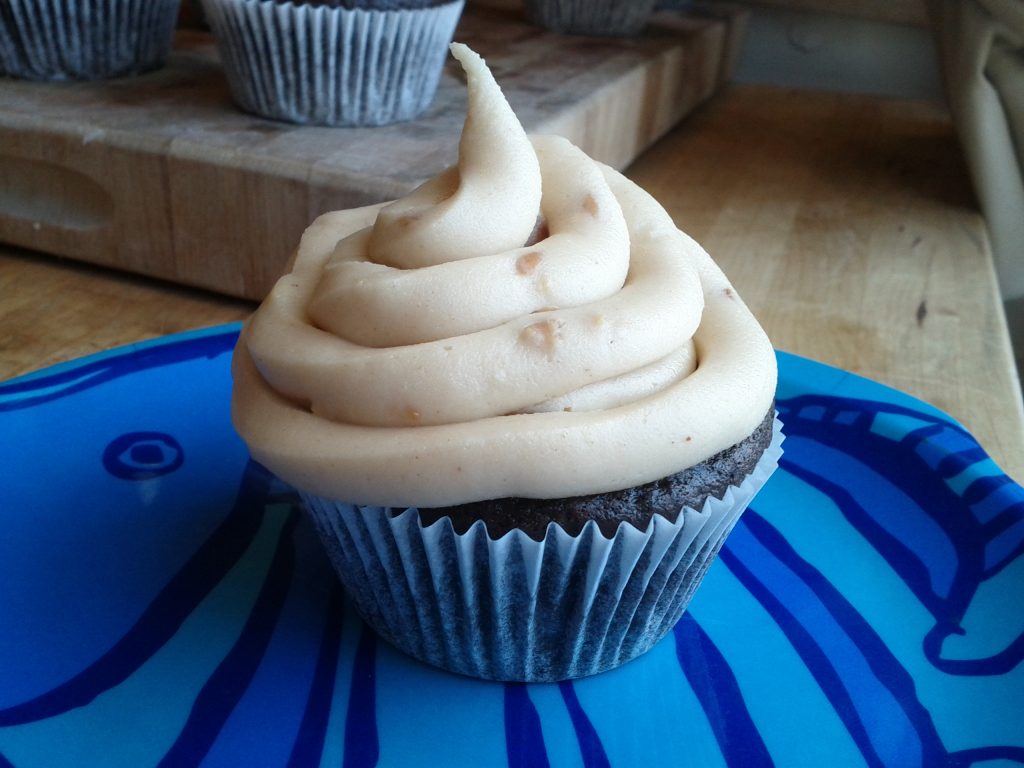
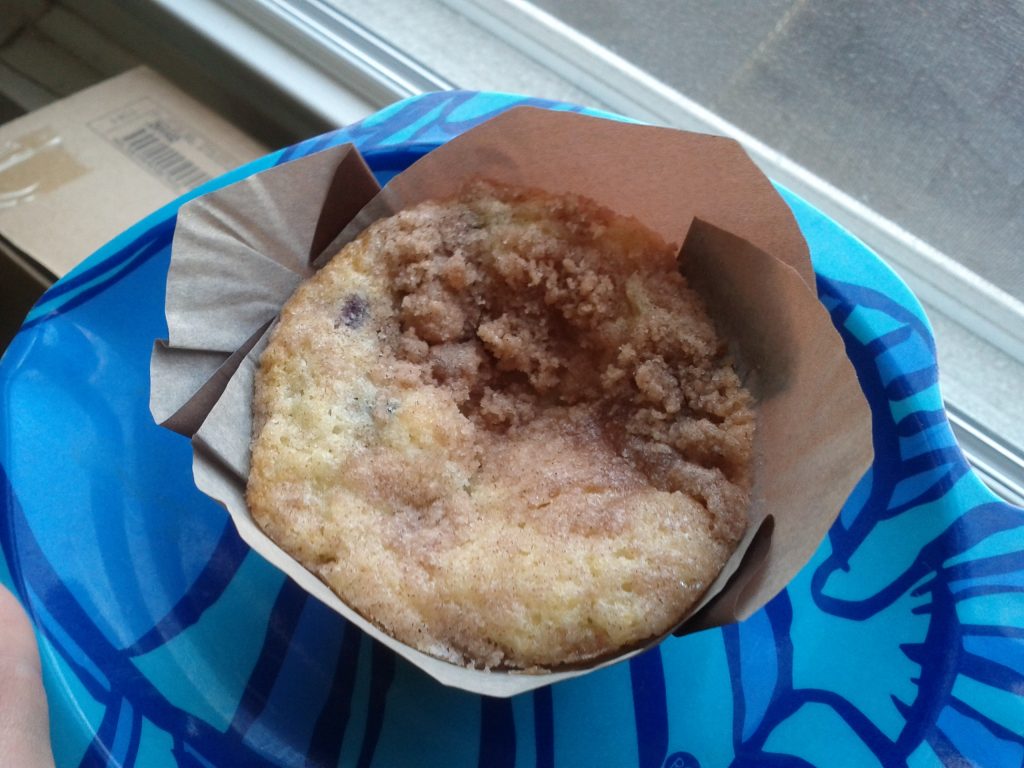
For baking projects, I made peanut butter Oreo cupcakes. As it turns out, I really didn’t care for the icing. I wouldn’t make that one again, though the cupcake itself was fine. I also made blueberry muffins with a kind of pie crumb topping. Those were delicious, and I shall henceforth add said topping to every muffin recipe I ever make.
The newest game in the SimCity franchise was released a few days ago, and it’s been a bit of a disaster. I’ve included a screenshot from Amazon’s product page below: a thousand five hundred people gave it one star out of five, while only thirty-eight gave it five stars.
The reason for the upset is that the anti-piracy measures included with the game has prevented everyone who spent $60 to get it from playing it. But only legitimate customers are blocked this way – the pirates, having that removed from their version, don’t face any such issues.
It’s not the kind of reward-value scheme you want to promote, especially when you want to make people think they own what they bought.
Customers don’t own any content that’s protected with DRM of course. If you have to ask someone else permission to use something every time you want to use it, which is what this does, you don’t own it. If that other party reserves the right to remove your access to that thing permanently, you don’t own it. Ironically, only the pirates are the ones who get to have ownership.
There’s confusion around this point, and I think that stems from the fact that we quietly transitioned from a model where we had anti-piracy measures but owned content (CDs, DVDs, VHS tapes, older games) to anti-piracy measures with no ownership (Blu-Ray players, iTunes, modern games). The price point and language meanwhile never changed to reflect this shift.
DRM isn’t necessarily a bad thing. It enables economic frameworks where use of the media is meant to be transient – take streaming audio and online rentals. It can also work for games and more permanent access to content, as long as it’s clear you don’t own anything.
We need to stop letting companies claim that you can buy these items from them, because you don’t. You’re getting a license from them. If you did own it, you wouldn’t be threatened with a lawsuit if you showed people how to change it so that you didn’t have to ask their permission to use it every time. If you did own it, then you could use it whether or not this other party said yes or no. If you did own it, you could sell it or pass it to someone else.
At the same time, I get the problem that DRM is trying to solve: preventing illicit duplication with a simple computer. So it may be that a consequence of doing business in this medium is to include such measures – but we must then end our use of this false language of ownership. Meanwhile, companies need to think of the customer, such that they are not punished for buying content. That means smarter ways to implement DRM, like Valve’s STEAM.
Or perhaps more radically trusting them with ownership, and not including any such measures. There are people who pay, people who won’t, and people who won’t if they can help it. Then it becomes a matter of reducing that third category in favour of the first. Hardly an easy task, but I see signs of success here particularly in the pay-first-to-develop model of KickStarter projects, rather than the pay-on-completion of the traditional production cycle.
Finally, I think there needs to be a recognition that piracy isn’t entirely bad. That it spreads human creativity and ingenuity, and frees resources for other things. A modern library, where libraries have failed. To recognize that the negative aspects around it arise from denying due compensation to those who put themselves out to create their work. The rise of affordable commercial solutions like Netflix and Songza has done a good deal to address both access and compensation, and this is only the beginning.
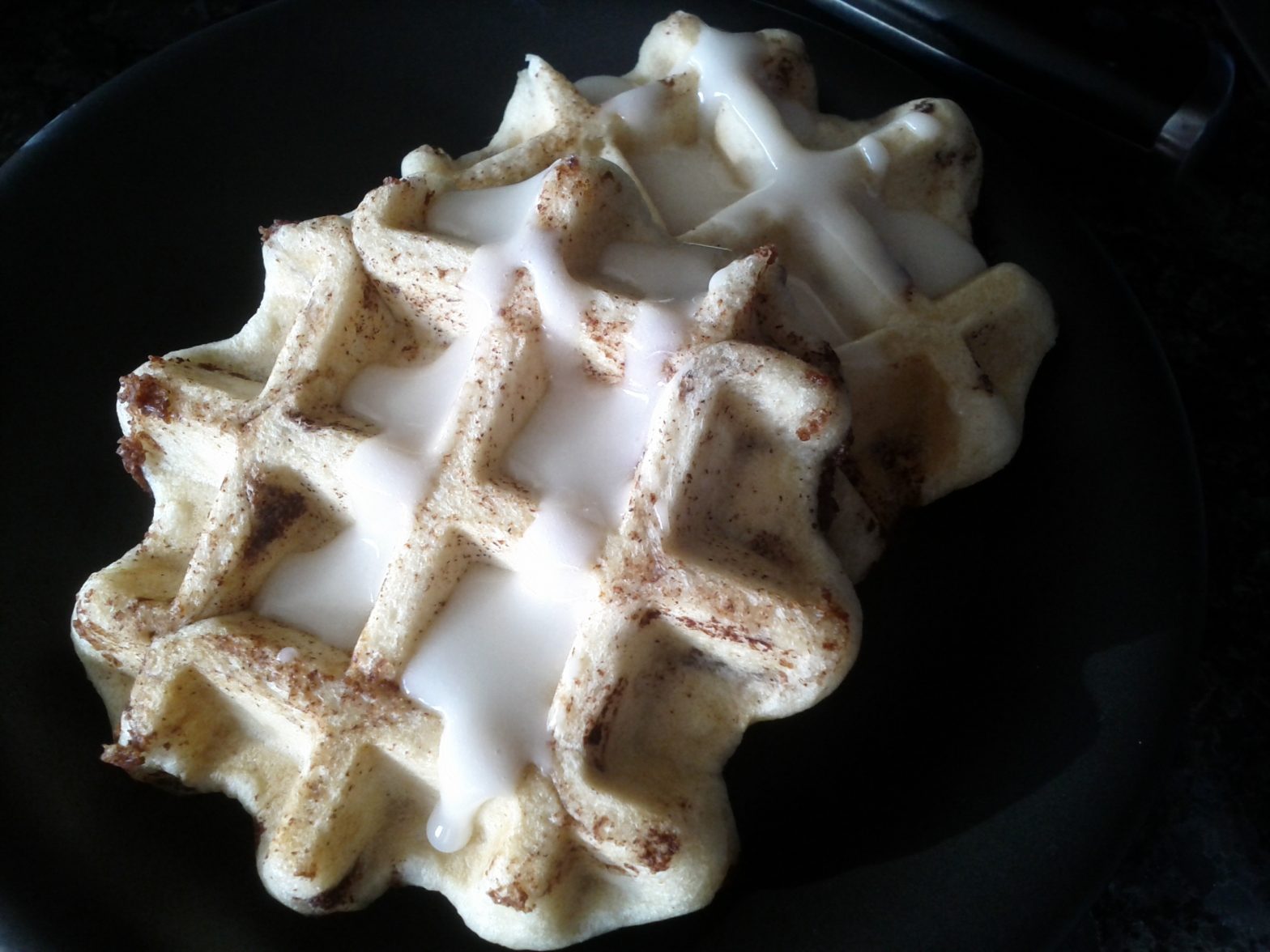
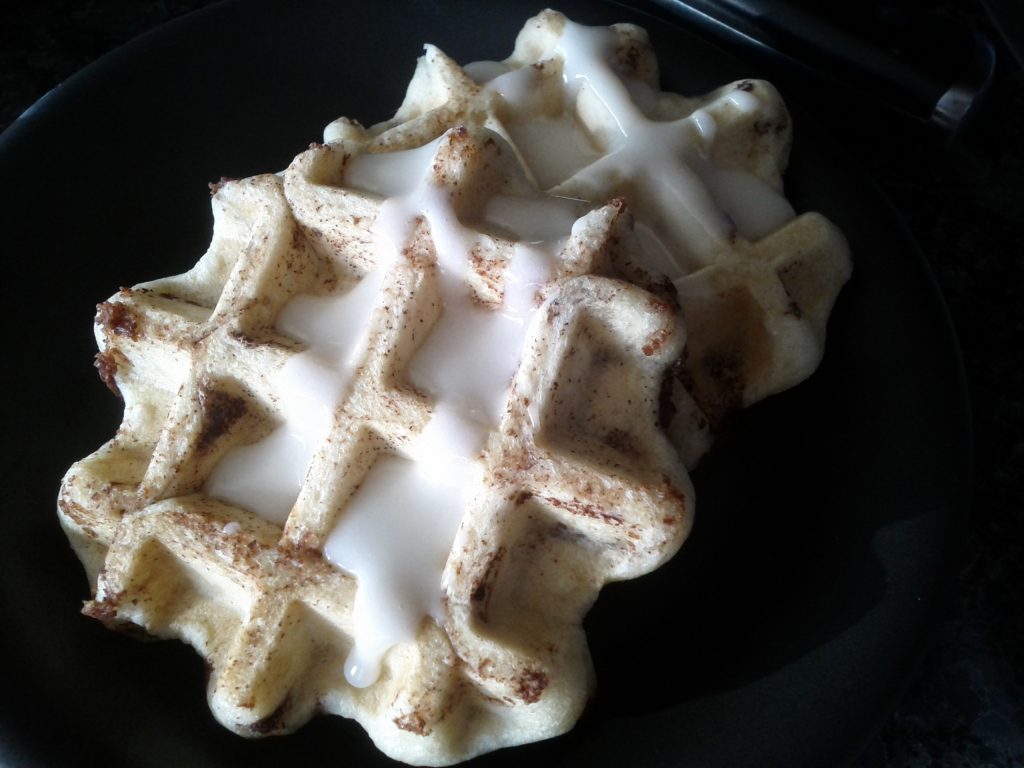
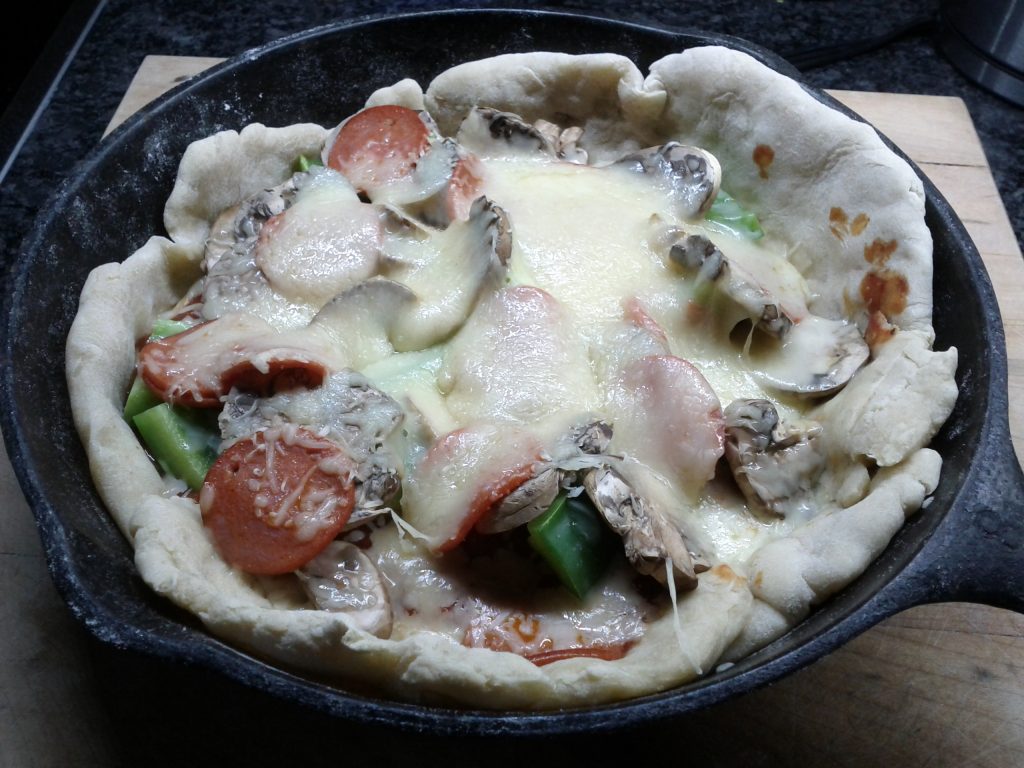
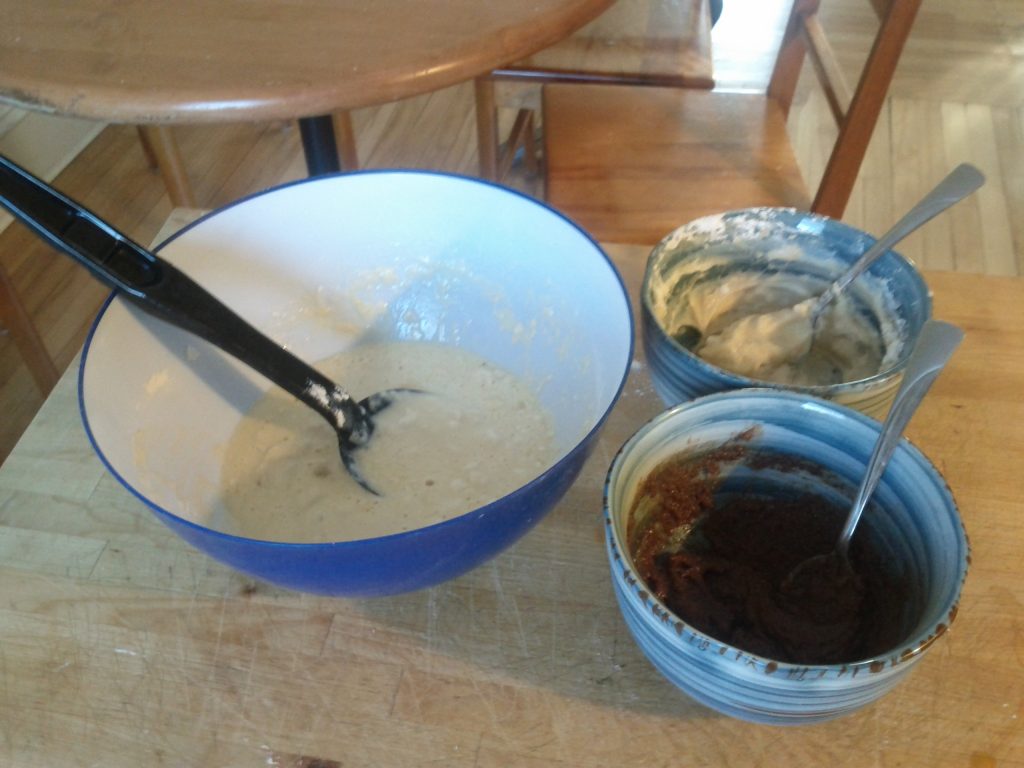
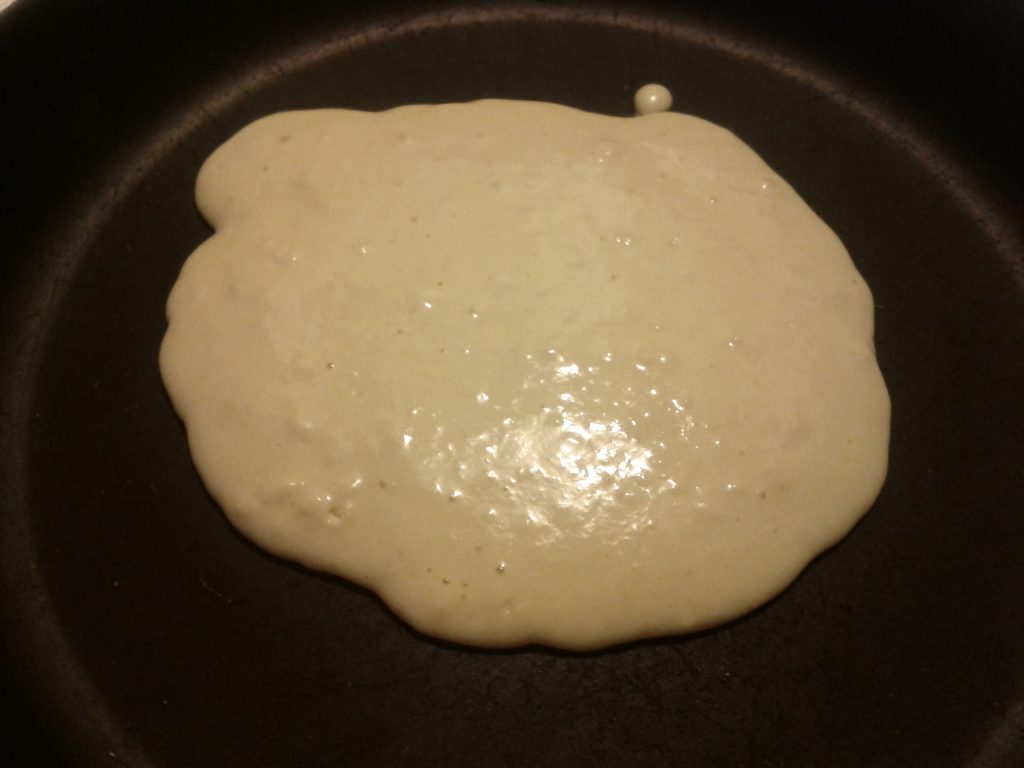
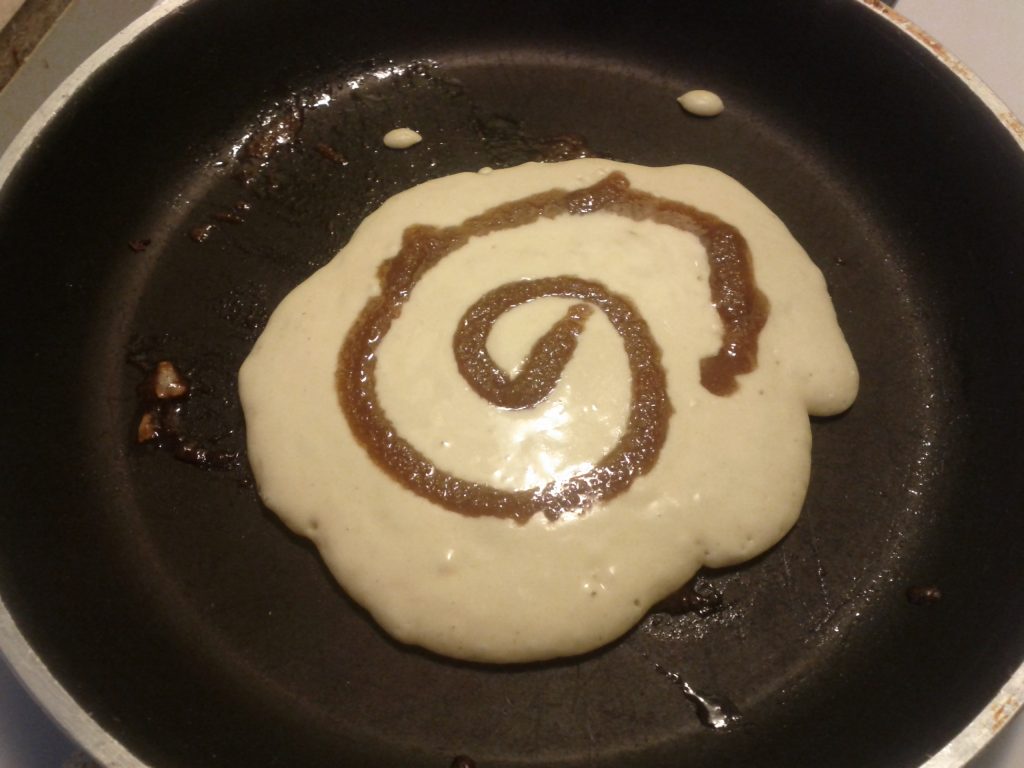
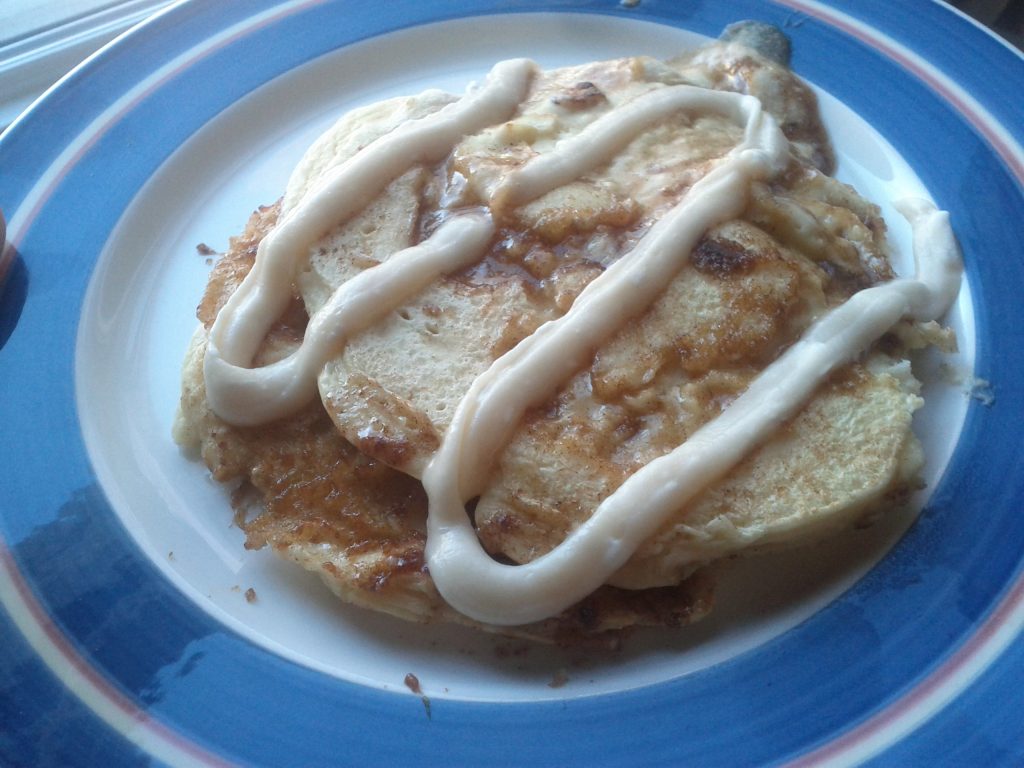
Baking project of the day: waffles using the Pillsbury cinnamon rolls (regular size), and pizza in a cast iron pan.
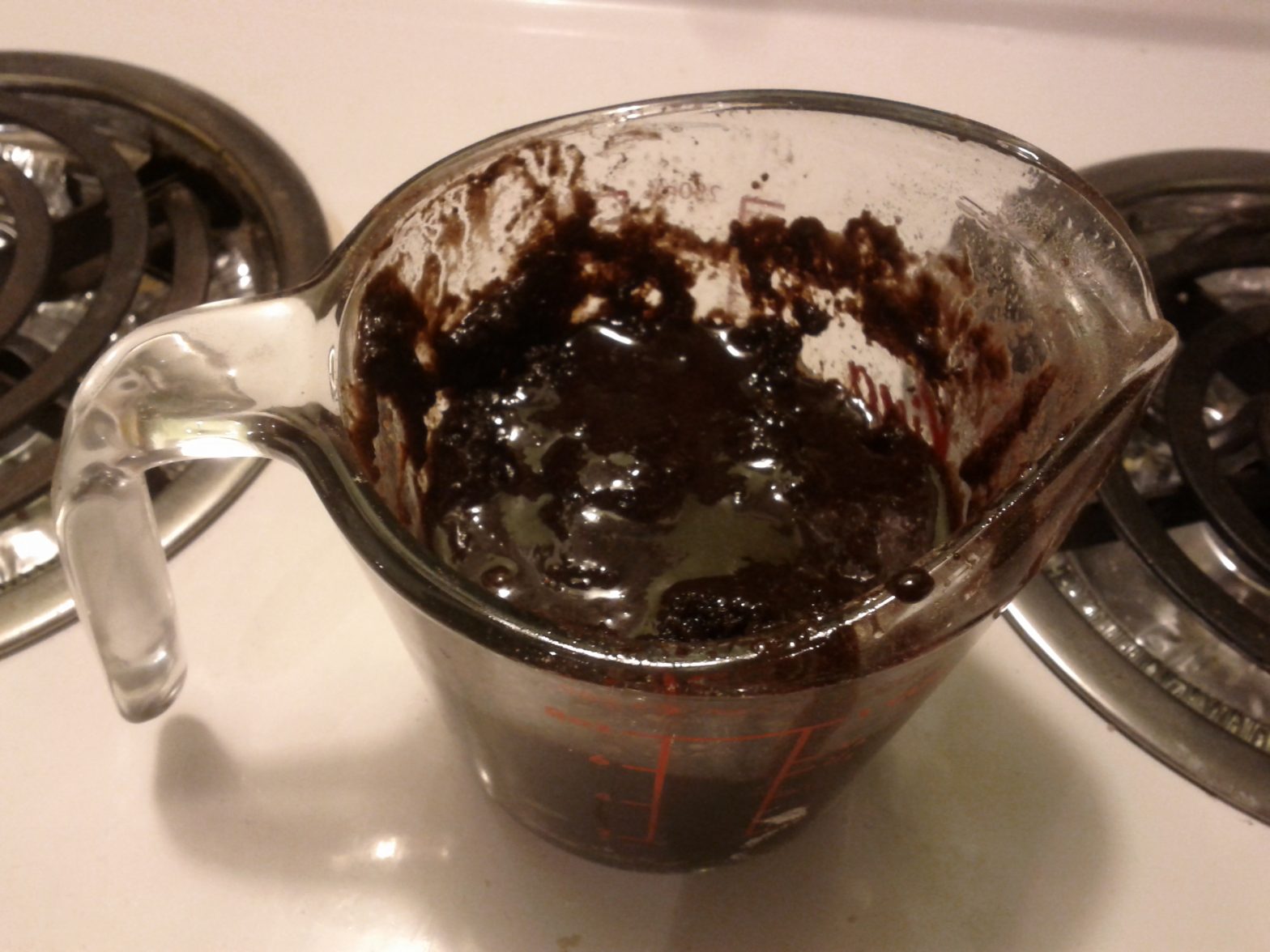
I whip these up whenever I need a little comfort. I’ve tried a few brownie-in-a-mug recipes before, but it was the one posted on Instructables that I liked best, with an additional chocolate sauce topping.
Brownie
4 Tbsp Flour
4 Tbsp Sugar
2 Tbsp Cocoa Powder
2 Tbsp Oil
2 Tbsp Water
Chocolate Sauce
2 Tbsp Sugar
1 Tbsp Cocoa Powder
1 Tbsp Boiled Water
Instructions
Boil some water.
Combine the dry ingredients for the brownie in a mug. Then mix in the wet ingredients.
Place the mug in a microwave for 90 seconds.
In a separate mug, combine the ingredients for the chocolate sauce, using the water you boiled.
When the brownie is done in the microwave, pour the sauce over top and serve.
Reading week is over, and I’m now studying for two midterms.
After that incredibly peaceful weekend, the week kind of took a real busy turn. There was a work emergency on Monday that resulted in lots of stress. What at first appeared like a minor abnormality turned out to be the symptom of a very significant failure – and I’m literally the only one who can fix it.
The nature of this problem has meant I’ve taken a different tact with work. I’ve become very assertive. That’s not in my nature, but if I let others who don’t understand the problem at all decide how to solve it, I’m destined for loads of needless work and they more failures. Since you know, I’m the only one who actually knows how it works.
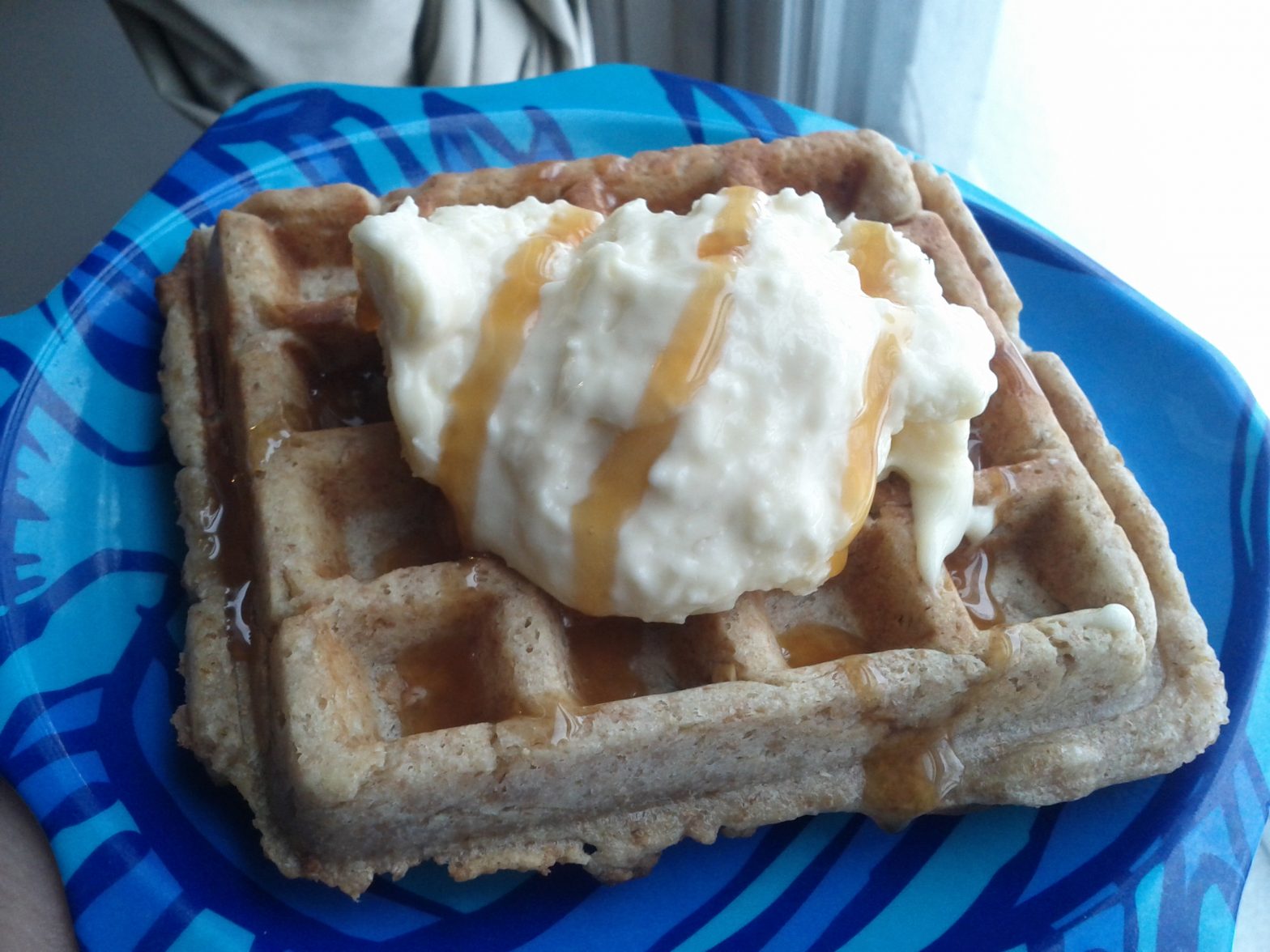
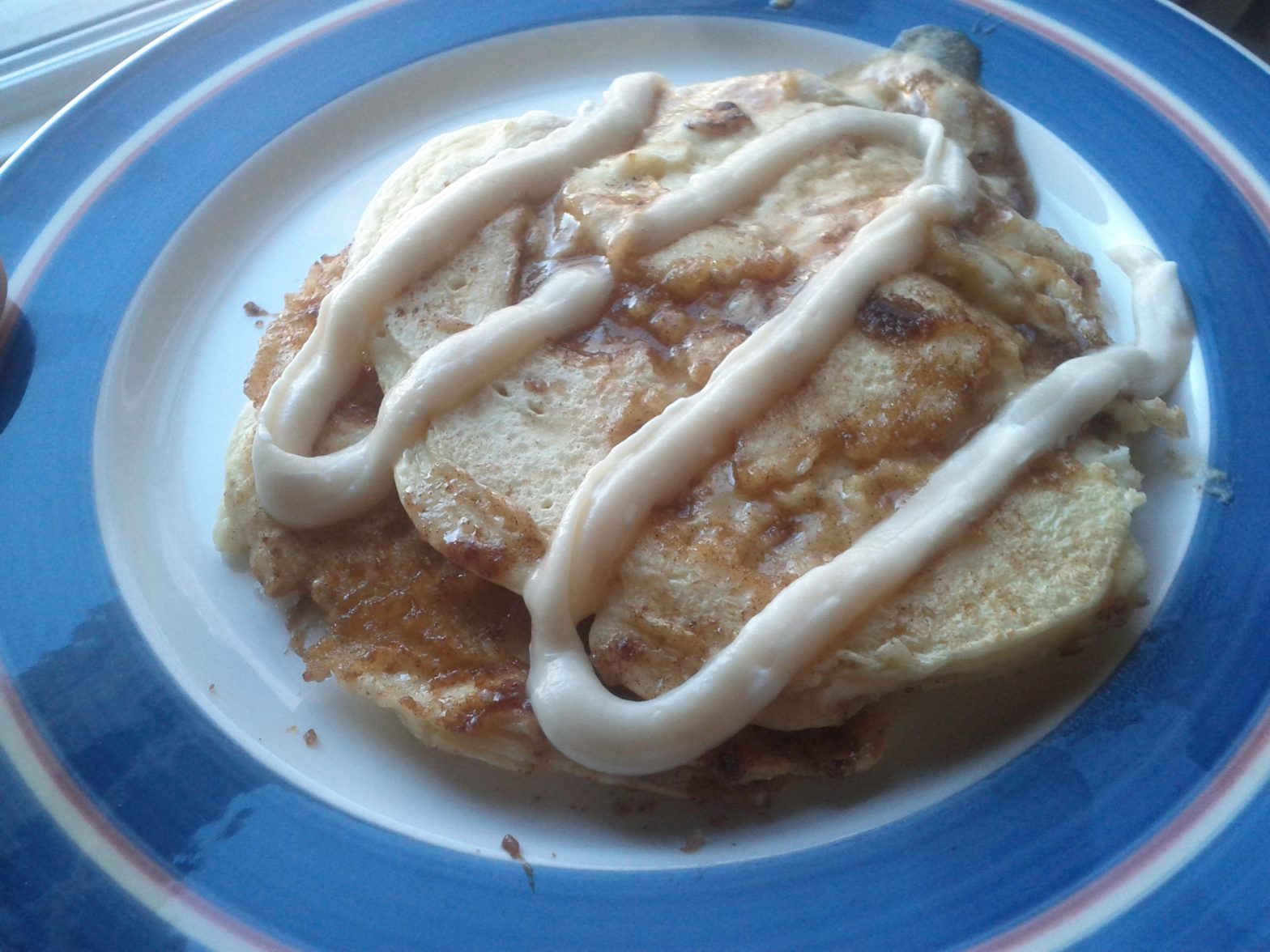
I did get to do more baking. I bought a stove-top waffle iron, which I had been eyeing for a few months. With it, I made whole-wheat waffles topped with cheesecake.
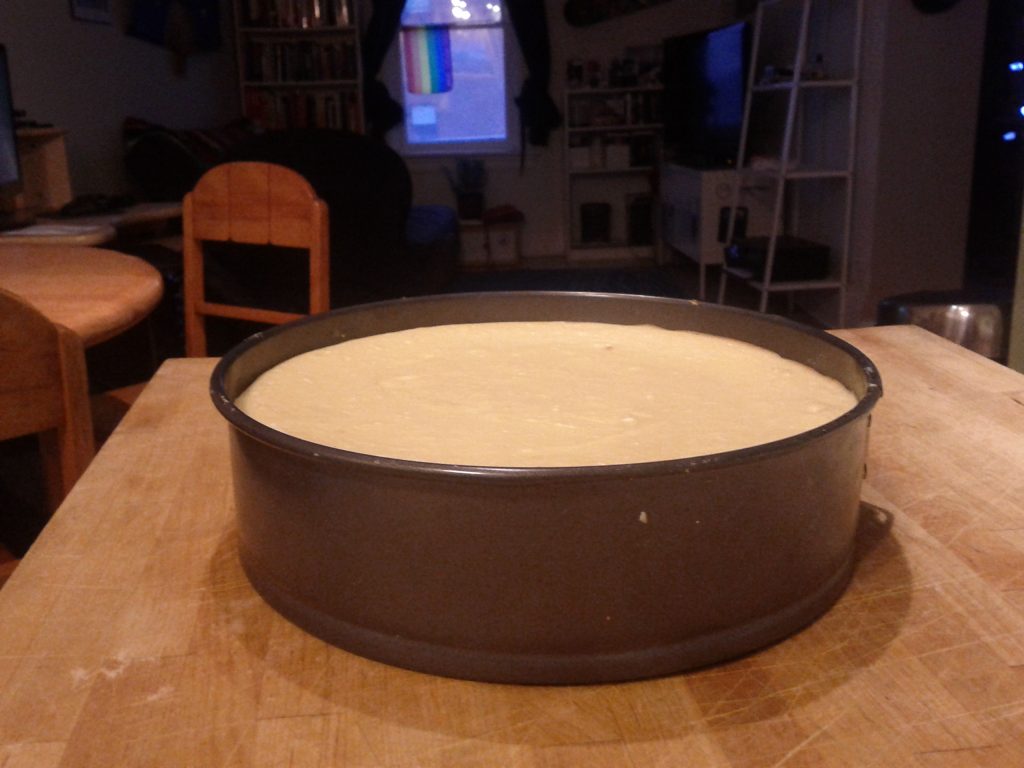
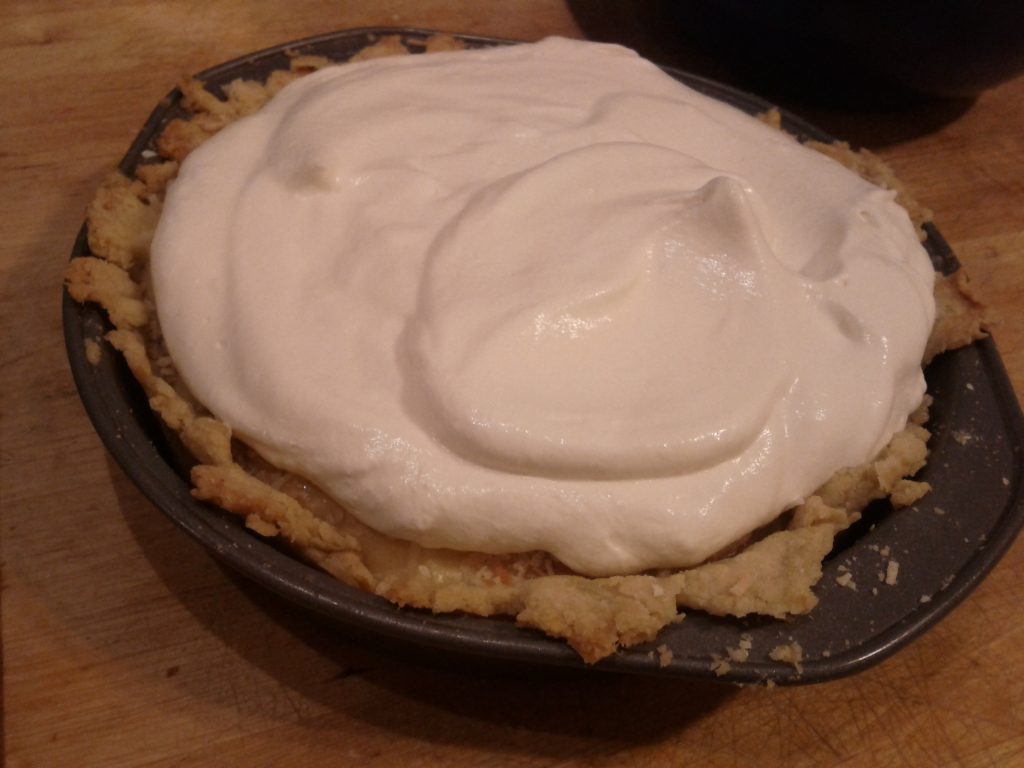
Which means I also made a cheesecake and coconut cream pie. Unfortunately, I screwed up the cheesecake. I included a water bath, which meant no more cracked top – but then it became extremely runny. I think next time I’ll include the water bath for 20 minutes of baking, then take it out.
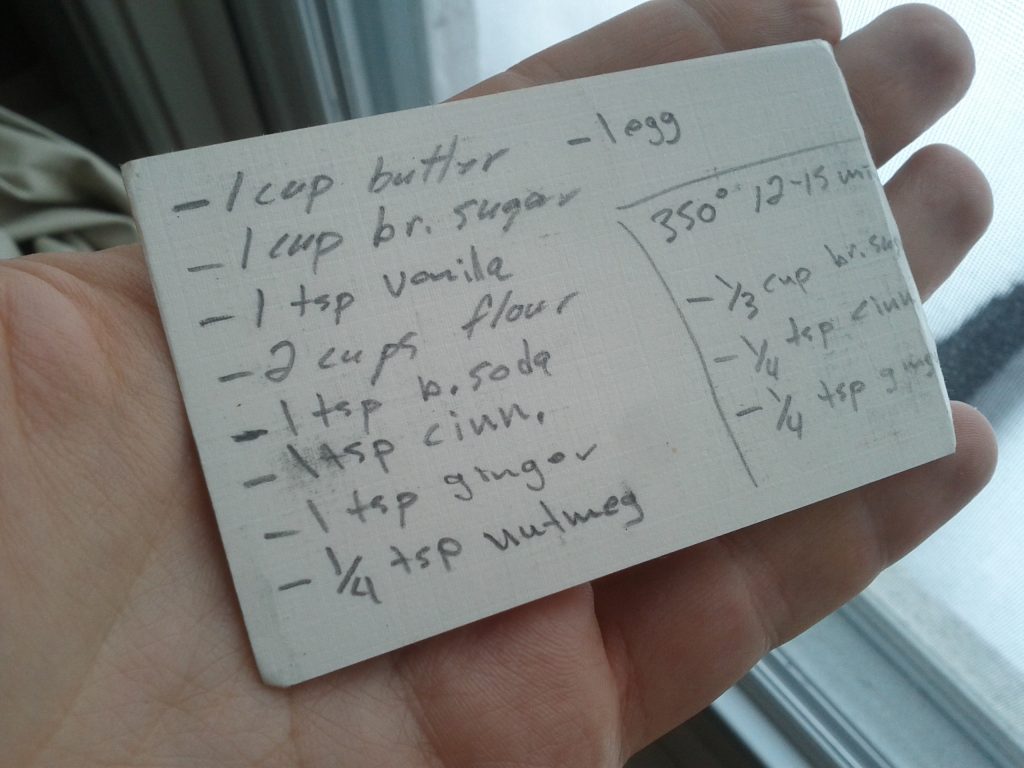
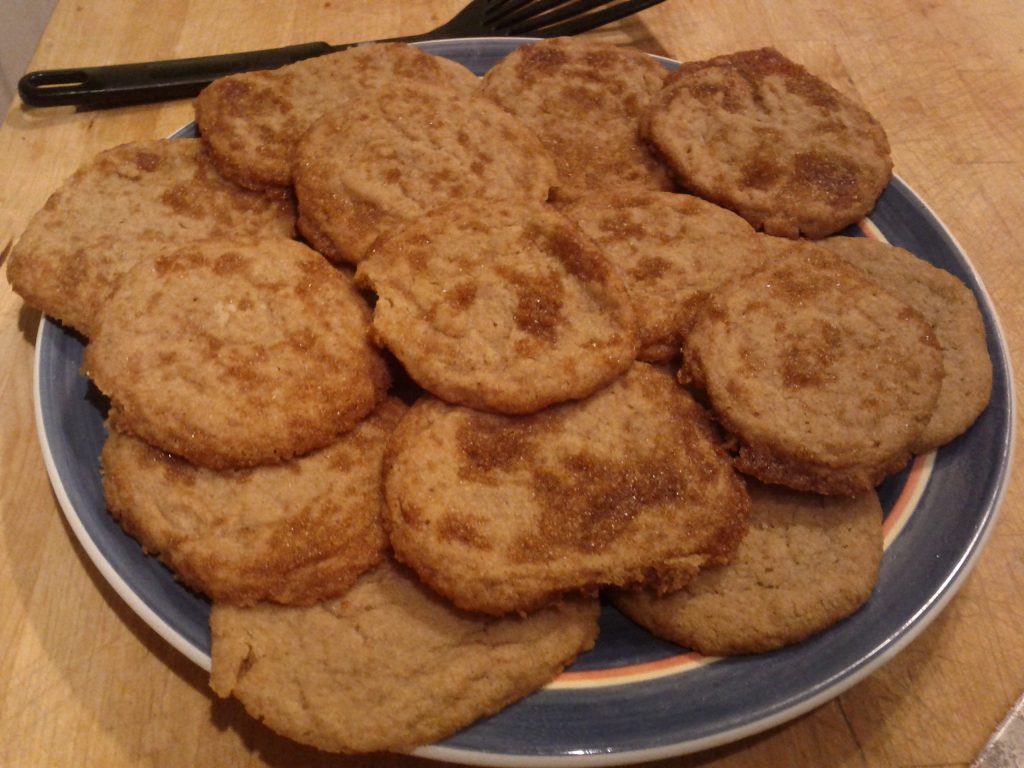
I also found a random recipe on the back of my business card. So I made it! It turned out to be gingerbread cookies. Delicious.
I also made myself a grilled cheese sandwich with Brie cheese. I’ve been wanting to do that one for a while.
Coinciding with this three day marathon of bliss was Venus Envy‘s twelfth anniversary sale. Everything in store was 20% off. And they had free cupcakes. So of course I went and spent money I didn’t have.
Among the things I picked up was a book called Two Whole Cakes. It has the caption of “How to Stop Dieting and Learn to Love your Body”, which apparently the publisher tacked on and is somewhat misrepresentative of the contents. I’m okay with that though because it turns out the book was about something much better.
The title comes from an exchange the author encountered, where an individual proclaimed, in capitalized fashion, “SO YOU THINK IT’S TOTALLY OKAY FOR FAT PEOPLE TO EAT TWO WHOLE CAKES EVERY DAY?”
This absurd statement launches the author’s essay about her journey of accepting and loving herself, and a critique of the ignorance and fat shaming that pervades this society. Among some tidbits:
One diet book author who was moved to weight-loss salvation by an unflattering picture recommends that fat people get themselves photographed as a “reality check.” See, lots of people with substandard bodies are walking around feeling happy a lot of the time, and that’s a problem. Body culture tells us in no uncertain terms that fat people are not supposed to be happy; they are supposed to be ashamed. The notion of employing photography as a cure for happiness rests on the idea that seeing ourselves for the gargantuan monsters we really are will kill our lackadaisical contentment and eject us into a sad, dark void of self-loathing and body hatred, where we belong.
A more appropriate caption for the book would have been “How fat shaming is everywhere and how that’s really destructive.” Among the many topics she explores is the humiliation/dehumanization that’s seen as acceptable in the media because the fatness justifies it and double standards with eating disorders:
The actual number of fat people with eating disorders is unknown, as too often these practices are registered simply as diets. Technically, fat people can’t be diagnosed with anorexia no matter their degree of self-starvation because one of the diagnostic criterion is a failure to maintain at least 85 percent of the expected body weight for height and age.
I finished the book in a day and a half. It was the first time that I had read something by someone else whose views mirrored my rapidly evolving own and then went further. I gobbled it up.
We’d be so much better off if we treated weight like cholesterol levels. Where the only person who should give a flying fuck if one at all is you, and no one else would see you as any different. Where public discourse would be about being healthy and fit, which can be achieved at any size or any weight, rather than obesity and illness.