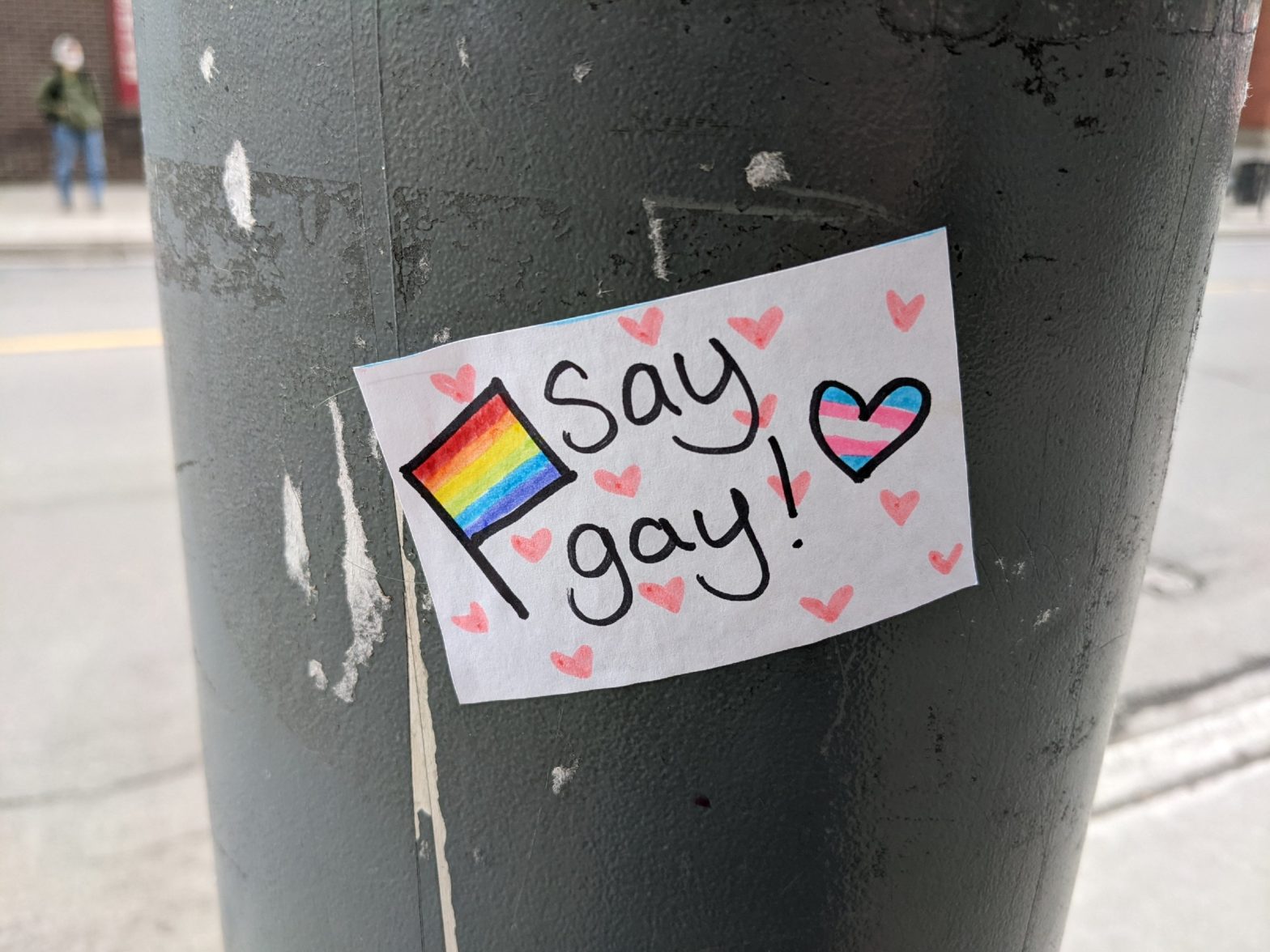
This past weekend, a man on the TTC called my best friend and I faggots and warned us not to look in his direction. I had rested my head against my best friend’s / ex’s shoulder. The man’s demeanour suggested he might be mentally ill.
This interaction made me think of Panthea Lee’s words during an interview about the long history of violence against Asian women:
We have seen officials and elected officials treating these attacks and these murders as isolated incidents, as exceptions to the norm, the work of mentally ill individuals. But mental illness is a red herring meant to distract us from the truth.
And the truth is that these attacks are an epidemic that was seeded and nurtured by the American state and by American culture and we’re seeing Asian communities paying the price. When asked for comment for Christina Lee’s murder, New York City Eric Adams replied that “the city must do more to address mental illness.” But I’ve been to far too many rallies around stopping Asian hate and vigils for slain Asian women that I can’t go anymore, it’s become a political circus that is disrespectful to these women, to their lives, to their families, where officials line up to lament yet another tragedy, say “this must stop”, point the finger at mental illness, and then hang around for photo ops.
But thing is, treating perpetrators as aberrations, as if they’re deviants from the norm really misses the point because mental illness operates within specific cultural contexts, and I actually interviewed a forensic psychiatrist who has treated the most violent of offenders around this, and the mentally ill still draw upon existing cultural templates which they may distort or act upon in more extreme ways. And so when it comes to Asian women, the cultural template has long been dehumanization and sexual denigration. And so I think for officials and some of the media reporting we’re seeing around this repeatedly denying the role of race while pointing the finger at mental illness really serves to absolve the state of responsibility. But these attacks are not strange coincidences, they’re not just the actions of crazy people, and we are seeing actually where the state has fallen short. Martial Simon, the man who pushed Michelle Go to her death in the Times Square subway, he’d been in and out of hospitals for years, the New York Times found that in 2017 a psychiatrist at a state mental institution had noticed that Simon had said it was just a matter of time before he would push a woman on the tracks. Despite this, he was still discharged. So who is to blame here? Is it the mentally ill, or the system that should be taking care of them? And are these lone instances? Is Martial Simon from the norm? Is Assamad Nash who plunged a knife 40 times into Christina Lee an exception? Is Steven Zajonc who assaulted seven women through Manhattan an exception? Is Tammel Esco who punched an Asian elder 125 times an exception? Are the ten attacks on Asian women every single day in this country, are they all exceptions? Because if every single one of these attacks is an exception, then I guess we must be living in some exceptional times.
Panthea Lee
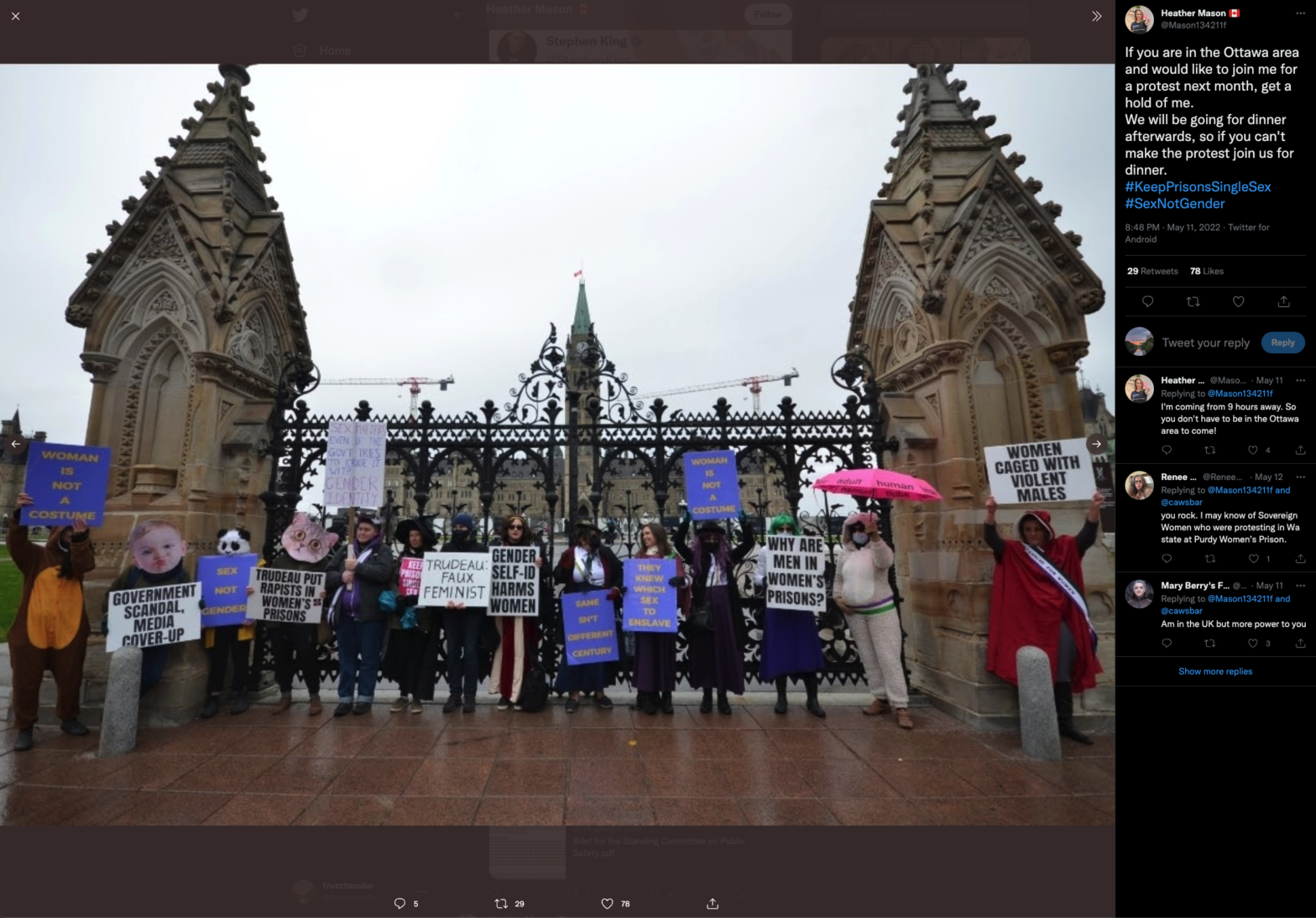
While I face nothing like the violence described above, the concept of how cultural templates shapes who is targeted is palpable as a queer and trans person. I draw a direct connection between Netflix releasing multiple comedy specials that implicitly advocate to exclude and/or mock people for being trans, and the 40% of trans 15-17 year olds in Canada who attempted to end their lives this past year. This might seem far-fetched to others, but they’re not privy to how these comedy specials share the same language as the street harassment, the bullying, the parental rejection, and gatekeeping faced by these kids. The words used might differ in sophistication, but the meaning remains the same: you shouldn’t be you, you don’t belong, you’re repulsive, because, gender. Previously I might have used a “pyramid of prejudice” to explain the relationship between seemingly disparate events like the release of the specials and suicide.
(more…)