I learned too late in life that staple foods could taste good.
Being on the same diet as virtually every other white North American, I was habituated to basics being combined with copious sugars and fats from the factory or afterwards to render them palatable.
It’s been a revelation that:
- Bread could be savoury
- Butter could be packed with flavour
- Cheese could be an experience
- Coffee could taste like berries
- …as could dark chocolate
As well as for all of this to be accomplished with a handful of ingredients, none of them artificial/natural flavours.
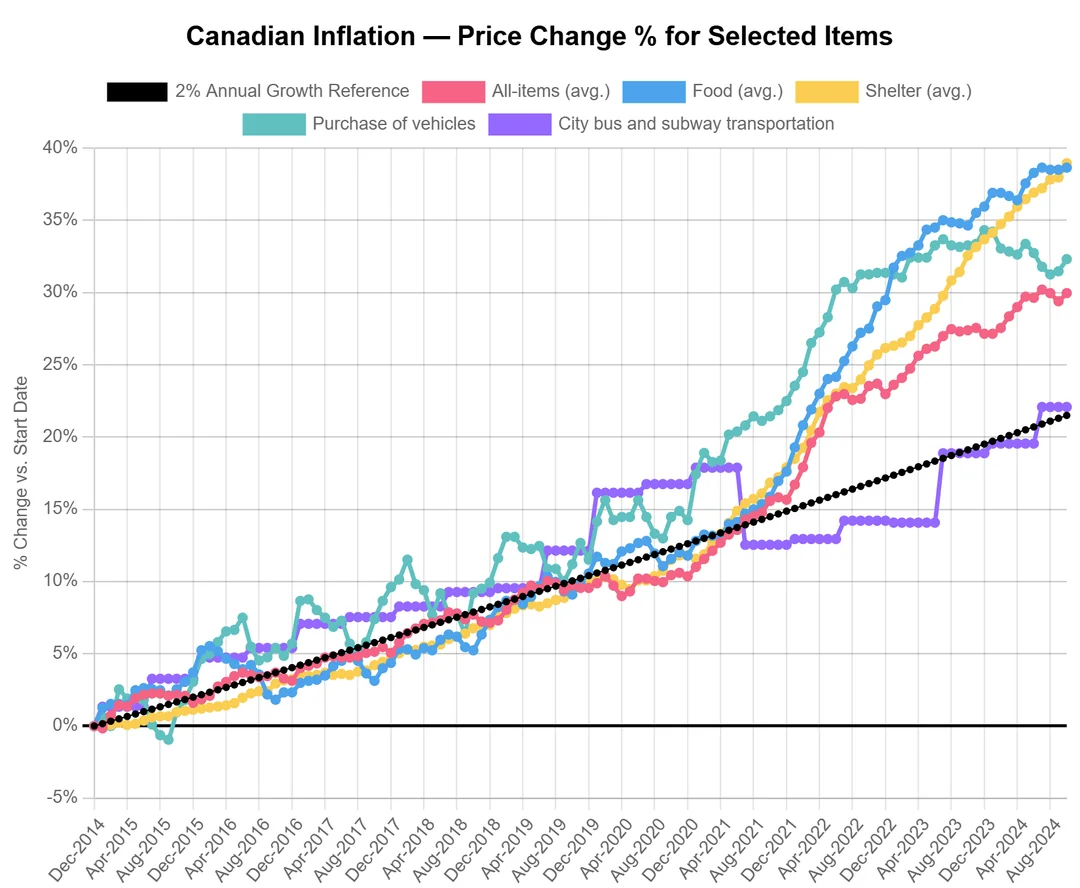
I knew that companies whose products stocked grocery shelves had been substituting ingredients to reduce costs and adding others to extend shelf life. I knew that decades of this had rendered the products ineligible for the categories to which they once belonged: “ice cream” became “frozen dairy dessert”, chocolate “chocolatey”, and so forth. I was also aware that post-pandemic skimpflation doubled-down on this trend.
Yet I never questioned the resulting mediocre taste and texture. I suppose it was the boiling frog problem, these decades of compounding substitutions that turned these products incrementally worse.
The problem wasn’t limited to the packaged stuff either. Produce had followed a parallel degradation; tomatoes now tasted watery and nothing like I remembered – even in season.
The French revolution
My exposure to microbreweries and coffee culture set the stage to appreciate French food culture in my late thirties. I don’t mean restaurants and wine, but the French approach to food quality at home.
Better products had always been present, I just overlooked them because as it was ingrained into me as with many other North Americans that the only criteria that mattered was which price tag was lowest.
The alternatives however tasted a world apart and didn’t even cost that much more. My purchasing habits changed seemingly overnight. If it used the same ingredients to make it as at home, it was in: imported products from Europe, India, Thailand, and so forth replaced costly boxes of highly processed foods. Good quality staples, local or imported, were substituted in. I also shifted my diet to make use of beans, peas, and other dry goods.
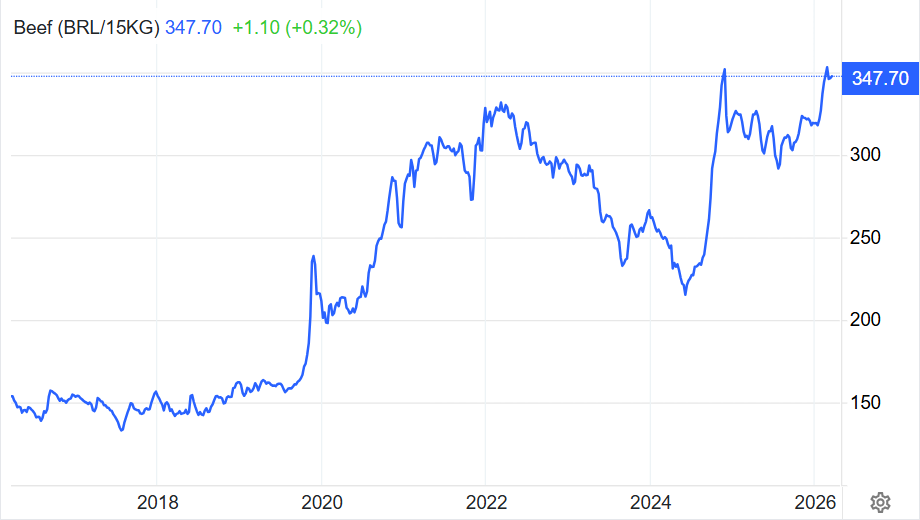
On the balance, my grocery bill remained about the same. The only real casualty was meats, but this was more related to post-pandemic unaffordability.
A wider-reaching philosophy
It wasn’t just a switch from Wonderbread-style loafs to the sourdoughs of local bakers whose breads were an experience, or swapping Canadian butter to something like Beurre d’Isigny which made butter as experiential as cheese, or switching from the waxy chocolate bars of major producers with something like Hummingbird Chocolates, or going from American pickles to truly home-made style Polish ones.
It was getting toilet paper that wasn’t a cheese grater. It was getting Gala apples that weren’t mush. It was rethinking every purchase on what was good.
I learned to be a hedonist, at least when it came to my food and mundane activities. I suppose learning it so late in life means I can truly appreciate why that’s important.